
Durable Human (2 book series)

Tag Archives: design

The AI Doc: From the Durable Human Perspective

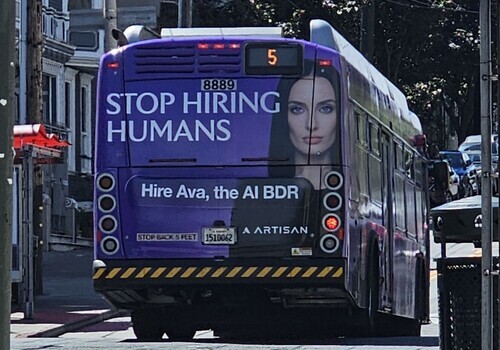
Ad on a bus in San Francisco says Stop Hiring Humans

This is a synopsis of The AI Doc: Or How I Became an Apocaloptimist:   

A father-to-be tries to figure out what is happening with all this AI insanity. The AI Doc: Or How I Became an Apocaloptimist is a hand-made, eye-opening documentary about the most powerful technology humanity has ever created…and what’s at stake if we get it wrong.

The following review tells the whole story. With that spoiler alert, you may wish to leave this screen and watch The AI Doc, which you can easily do in the comfort of your home. Even if you stick around, be sure to see the movie. So, here we go:

Art reflected life as I stepped into the darkened theater.

I was in the heart of San Francisco, where all AI startups seem to be born.

In the weeks I’d been visiting the city, I’d pass people on the street and wonder: did they have a hand in a phenomenon compared to the discovery of fire? Billboards shouted AI’s benefits. Ads on busses screamed: “STOP HIRING HUMANS.”

I sit next to my daughter-in-law—herself an executive at an established startup. My son is back at their apartment recovering from upper jaw surgery. His art studio is blocks from the theater. From early days, he’d sketch in the margins of his school papers and notebooks. Soon after graduating from college with a degree in industrial design, Nike had hired him in part for how he could draw up great ideas on the fly.     

Co-director and on-screen narrator Daniel Roher draws or paints most of the graphics in the movie. Sketchbooks will play a central and active role.

As the movie begins, we see Daniel as a boy, learning about computers and having fun making his own videos. His relationship with technology seems sympatico until one day, he notices that computers have begun to churn out entire screenplays. His dander up, he determines to find out more about this precocious digital intruder.  

Continue reading
Bad News Arrives about Babies, Toddlers and Screens

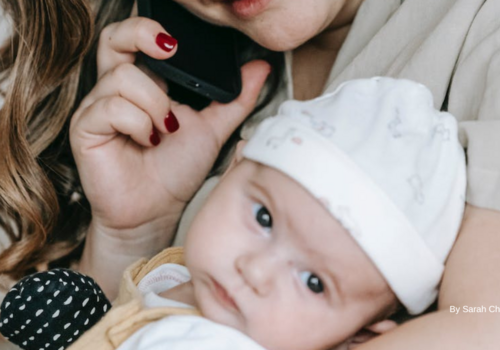
Infant looks off into the distance from the arms of his mother who is on her mobile phone. Photo by Sarah Chai on Pexels

A cascade of new scientific evidence from all over the world shows how screen use can badly hurt the development of babies and toddlers. The news comes as more parents rely on tablets, phones, and TVs to calm, distract, or entertain their little children.

Studies published in just the past year paint a dire picture.

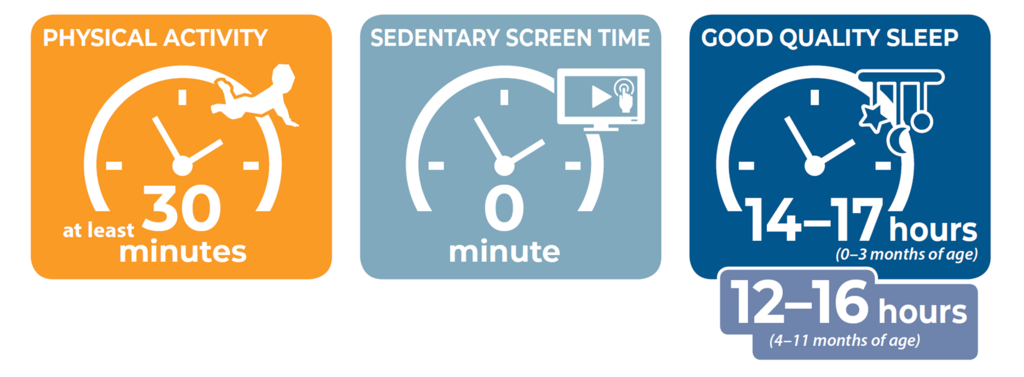
The World Health Organization recommends that children under age 2 have no “sedentary screen time.” Instead, babies and toddlers should engage with loving caregivers, move and explore their surroundings using all their senses, and get plenty of sleep.

Screens Disrupt it All

In a US study of mothers during the pandemic, those who allowed their 6-month-olds to use screens let them watch an average of 3 hours a day. “Screen use was relatively common during meals, when going to sleep, while waiting, and to help calm the infant,” the authors write.

That, they conclude, is “an impediment to the relationship between a parent and a child, disrupting maternal responsiveness and interfering with parent-child interactions.” 

Language Delays

Continue reading

Warning Labels on Social Media Suggested as Way to Protect Children

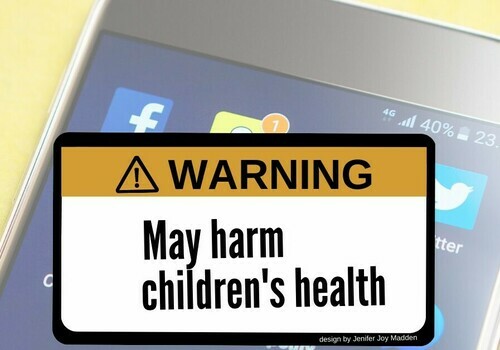
Depiction of Social Media Warning that could be used to protect children online, a concept discussed in the US Senate Judiciary Committee.

Putting warning labels on social media is among strategies to better protect child users being discussed by a U.S. Senate committee. 

At the hearing “Protecting Our Children Online,” witnesses called by the Senate Committee on the Judiciary described a digital environment replete with social media harms. They also discussed ways for Congress to act.

Parent Nightmares Continue

Continue reading

A Plan for Humane Technology

woman holding pen with hands on top of notebook sits next to open laptop

With a new frame of mind, designers can create humane technology. Former Google tech ethicist Tristan Harris wants to teach them how.  

“This talk is about the wisdom we need to steer technology, and our future.” The words from his new message shone brightly from the screen at the 2022 mindfulness in technology conference, Wisdom 2.0.

Harris was back at the place where in 2015, he pulled back the curtain on how tech companies used “persuasive design.” They were in “a race to the bottom of our brainstems to seduce our instincts.”

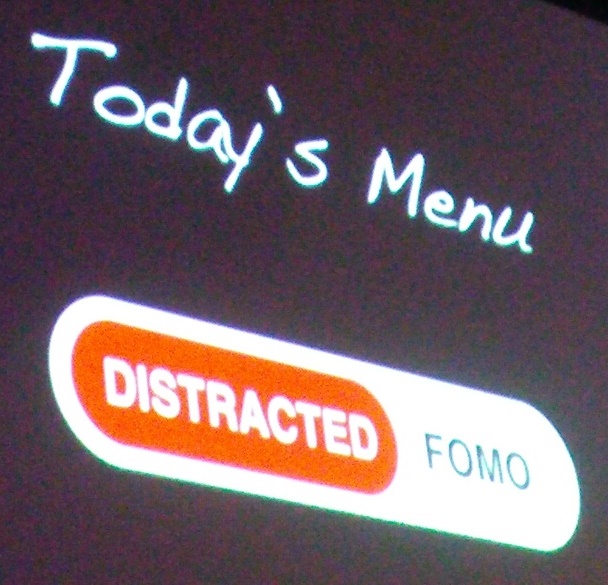
Their products did not support human well-being, he claimed. “It’s like being on a diet, but you are only handed menus with burgers and fries.” 

Slide from Tristan Harris 2015 Wisdom 2.0 presentation
From the Tristan Harris presentation at Wisdom 2.0 2015

Design as Determinant

In How to Be a Durable Human: Revive and Thrive in the Digital Age Through the Power of Self-Design, tech usability expert Jared Spool defines Design as “the rendering of intent.”

Harris believes tech companies’ intentions were way off when they started Google, Facebook, and other platforms. He should know, having trained in the Stanford University Persuasive Technology Lab.

Since tech products could be accessed for free, users’ personal data were fair game, which companies made unprecedented sums from selling and re-selling. Individuals were hyper-targeted under the guise of “giving users what they want.”

Silicon Valley founders saw tech as a neutral vessel. That users became trapped in polarized filter bubbles was not the platforms’ problem.

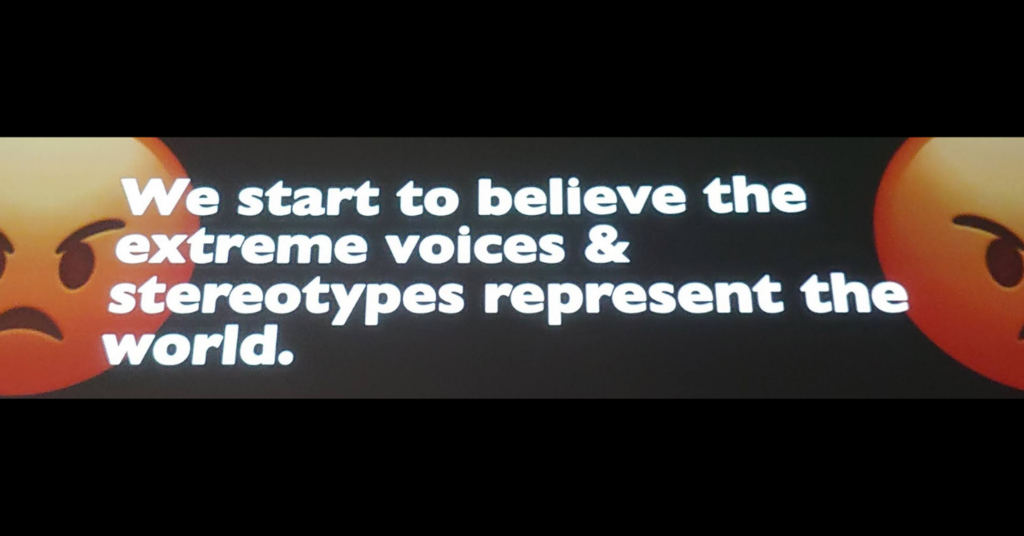
The result today: the loudest and meanest social media opinions seem to be the majority. As Harris observes, “we start to believe the extreme voices and stereotypes represent the world.”

Slide from Tristan Harris talk at Wisdom 2.0 says "We start to believe the extreme voices & stereotypes represent the world."

Besides political turmoil, he blames early Silicon Valley attitudes for creating problems ranging from information overload and addiction, to synthetic charlatans including bots and DeepFakes. 

Over the years, it became standard practice to use psychological sleight of hand to keep users engaged.

Children have been especially affected. Since the dawn of social media, youth mental health has significantly eroded.

Even the brain development of babies has been caught in technology’s web.

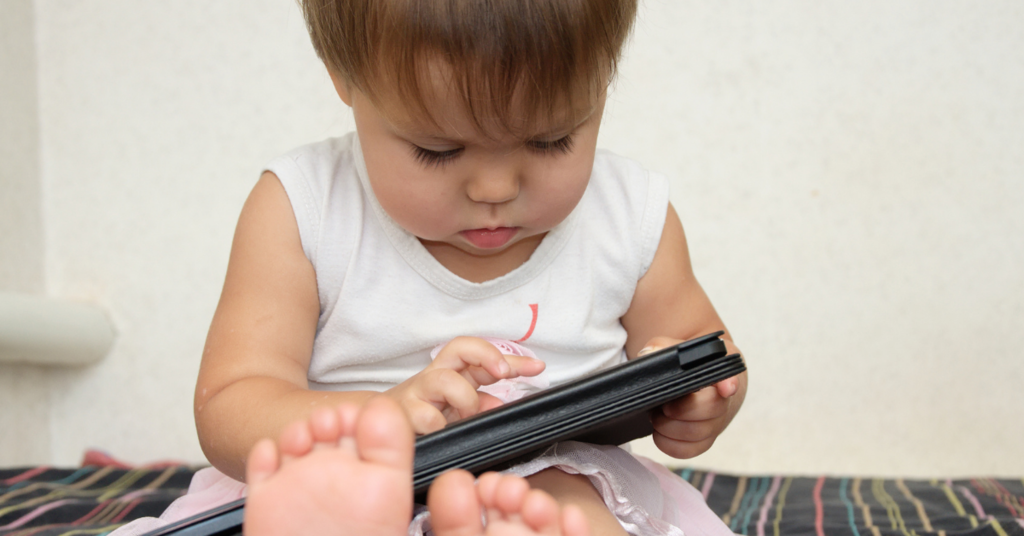
Toddler using tablet

Toward Humane Technology

After much thought and consultation, Harris has come up with a plan: for tech designers to Think Differently.  Continue reading

JOIN US

Sign up to receive Durable Human News

FREE DURABLE TIPS CARD

Receive a printable list of 7 durability-building habits for adults and kids

    © 2021 Austral Arc LLC Design by MonkeyPAWcreative.com.
    Some books and other products recommended on this site may be linked to the Amazon Affiliates Program. See Amazon Privacy notice.